
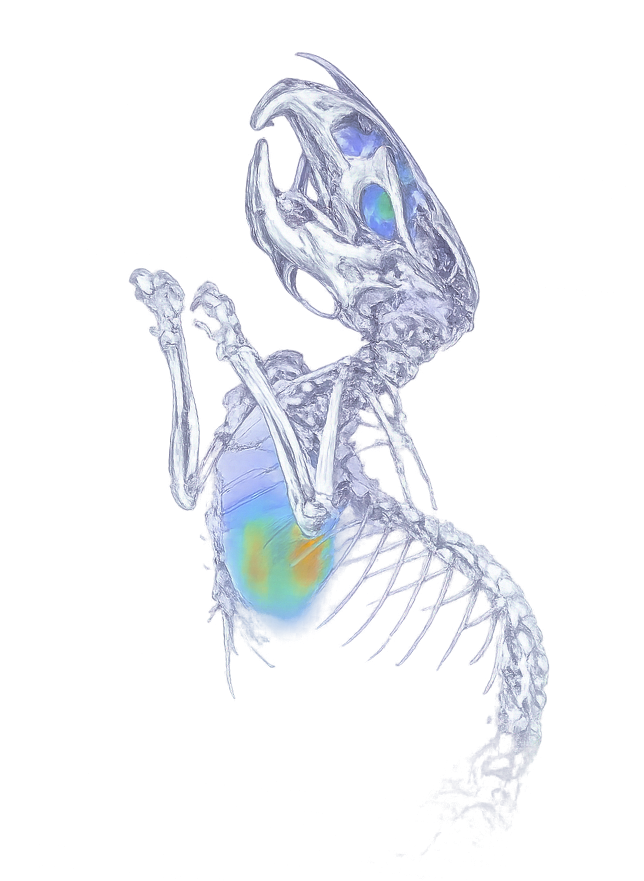

Empowering scientists to see deeper, analyze faster, and discover sooner.
We were founded by researchers who lived this frustration firsthand. That origin shapes everything we build: tools that are fast, rigorous, and genuinely suited to the way scientists work.
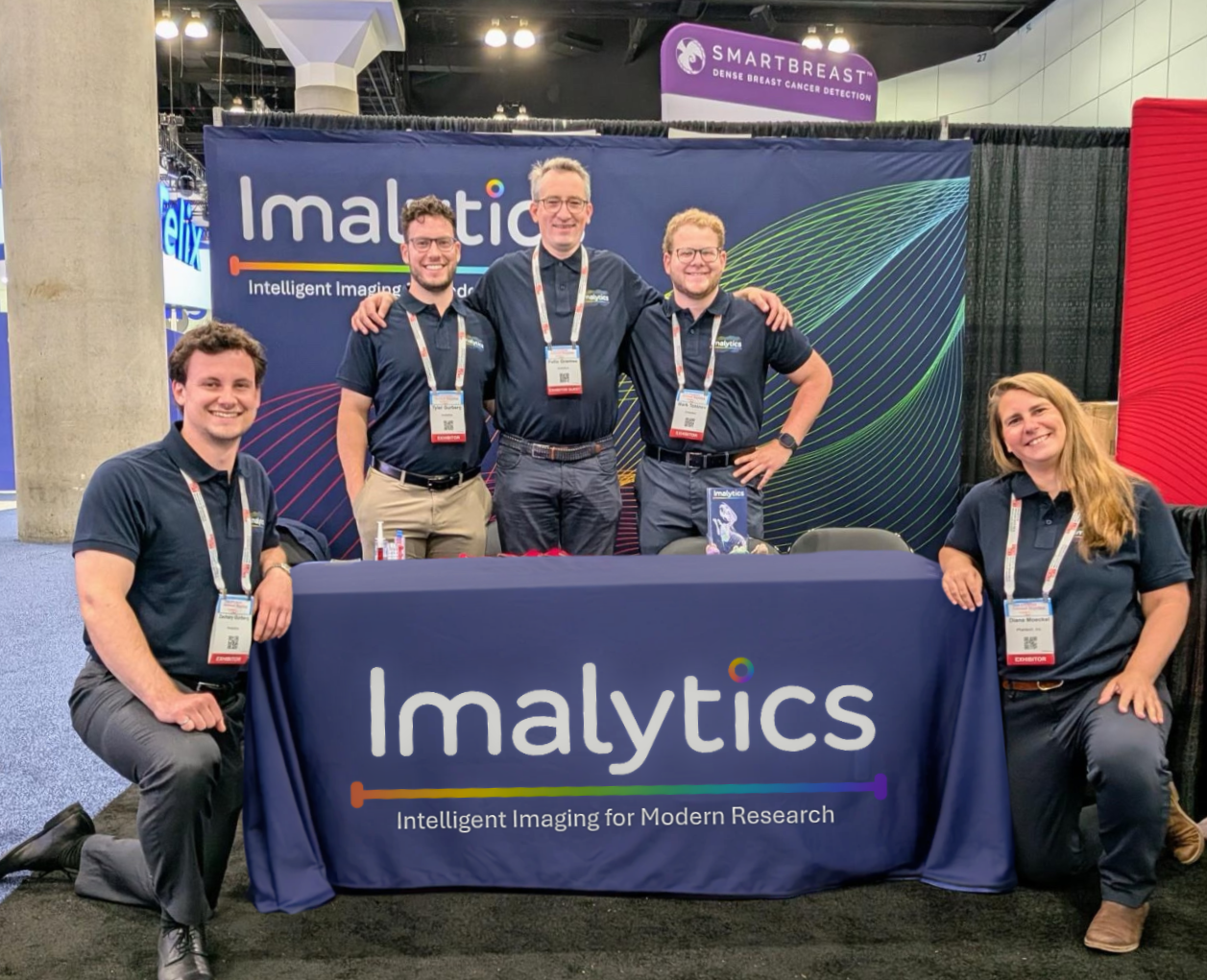
13 Years of Building.
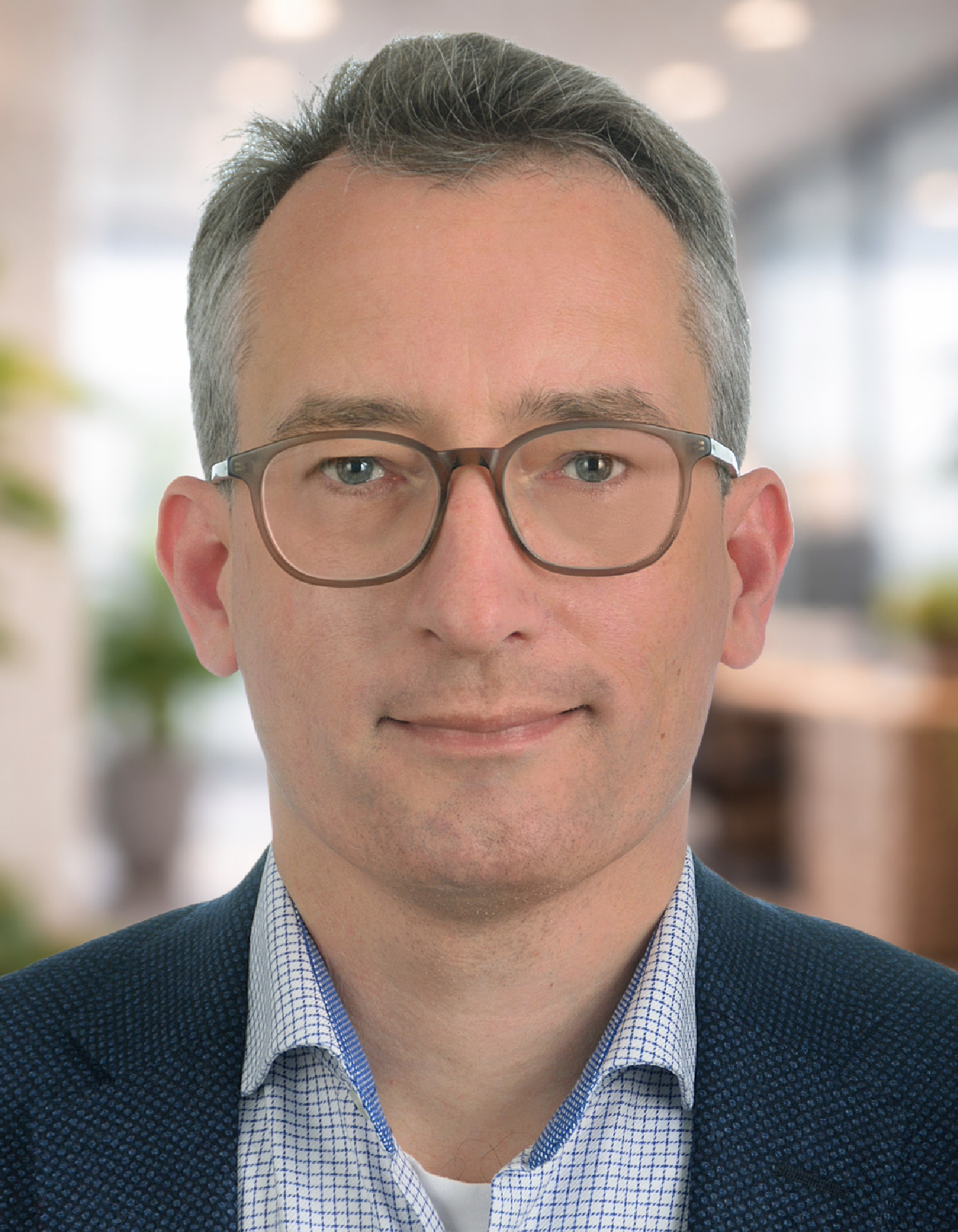
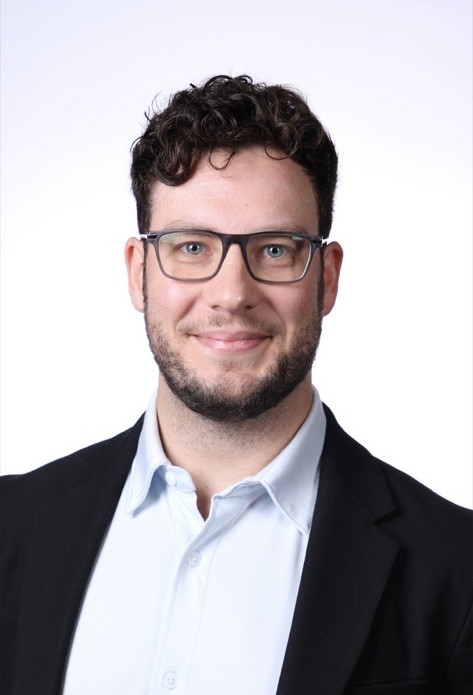
The Imalytics Team


.png)




Supporting Researchers in 200+ Sites Worldwide
Cited in 350+ Peer-Reviewed Publications
H. Tan et al.
S. Elsafy et al.
B. Roohani, A. V. Embs et al.
S.El Hajji et al.
A. Shegani et al.
Q. Ouyang et al.
Meet us at this year’s EANM in Barcelona!
The Gremse-IT team, together with Phantech, LLC, will be showcasing our Imalytics Preclinical software and our new automated biodistribution pipeline with AI-powered segmentation & quantification – designed to accelerate #RadiopharmaceuticalDevelopment
📍 Visit us at the MILabs booth #60 – we’re excited to connect with you!
Imalytics Preclinical: Advanced Vascular Analysis Capabilities
Understanding vascular structure and function is central to many areas of preclinical research, but analyzing complex vessel networks is rarely straightforward.
With ImalyticsPreclinical, we’ve built advanced vascular analysis tools that go beyond simple visualization. Researchers can trace vessels throughout entire datasets, measure diameters with precision, and generate intuitive maps that reveal vessel size, distance, and perfusion patterns. These features give researchers a powerful, quantitative way to assess vascular networks, from structure to function, with precision and consistency.
At Gremse-IT, we’re committed to helping scientists focus on discovery rather than manual measurement and are proud to be pushing the frontiers of vascular analysis in biomedical imaging.
SoftReach
Together with some outstanding partners from academy (FORTH Institute of Molecular Biology & Biotechnnology (IMBB-FORTH), the University of Thessaly (UTH), the University of Cyprus (UCY), and the King´s College London (KCL), Gremse-IT GmbH forms the consortium of the SoftReach Project. The aim of this innovative project is to revolutionize neurological disorder treatment with robotics.
About the project: "The treatment of neurological disorders (ND) through the use of robotics and imaging can improve the efficacy and safety of treatments. The SoftReach EU funded project aims to revolutionize the clinical practice of ND treatments by developing image-guided minimally invasive robotic technology for localized delivery of therapeutics to deep-brain regions involved in ND pathology. To this end, SoftReach will develop a flexible robotic endoscope, equipped with a μl-sized tissue construct payload, that will be guided through the spine up to the brain-ventricles. There, the robot will perform precise control over the delivery of therapeutics on the brain ventricles tissue, enabling the implementation of promising cell and gene therapies, targeting the adult hippocampal neurogenesis as a novel pharmacological approach. "
This project is funded and supported by the European Innovation Council.
NeuroSys
NeuroSys - Neuromorphic Hardware for Autonomous Artificial Intelligence Systems
NeuroSys is a collaborative project involving RWTH Aachen, Forschungszentrum Jülich, AMO GmbH, IHK Aachen, AixACCT Systems GmbH, AIXTRON SE, AppTek GmbH, ELMOS Semiconductor SE, RWTH Innovation GmbH, STAR Healthcare Management, and the start-ups AiXscale Photonics UG, Black Semiconductor GmbH, Clinomic GmbH, and Gremse-IT GmbH. Under the coordination of Professor Max Lemme from the Chair of Electronic Devices and Managing Director of AMO GmbH, this partnership is working towards the development of neuromorphic hardware to power the next generation of artificial intelligence applications. The German Federal Ministry of Education and Research is supporting this ambitious initiative with funding of up to 45 million euros.
In Europe, there are currently only a handful of globally competitive hardware and software providers, making technological sovereignty a strategically important goal. Artificial intelligence is poised to be a critical driver of economic growth and a foundational technology for addressing major societal challenges, from climate change and healthcare to future-of-work and mobility solutions. However, today’s AI technologies often rely on training large neural networks using conventional GPU-based deep learning methods—an approach that is not only resource intensive but also environmentally unsustainable due to significant CO2 emissions. By focusing on developing neuromorphic hardware, NeuroSys aims to create more efficient, low-power alternatives to traditional GPU-based architectures, ultimately supporting Germany and Europe in achieving technological independence and ecological sustainability in the rapidly evolving AI landscape.
MR-HIFU
High-intensity focused ultrasound (HIFU) is a non-invasive therapeutic procedure for treating benign and malignant tumors with ultrasound waves. The ultrasound waves are focused in such a way that a high energy output occurs in a defined tissue area. This heats the tissue to 65-85 °C, which leads to localized coagulation necrosis. Today, HIFU is usually performed in combination with magnetic resonance guidance (MR) to allow for position control as well as continuous thermometry of the treated tissue area.
To further develop this promising MR-HIFU technology, Gremse-IT GmbH is part of the "Collaborative project: Magnetic resonance-guided high-intensity focused ultrasound for non-invasive pain therapy in bone diseases (Pain in focus) - Subproject: Patient-adapted automated MR-HIFU therapy planning" (BMBF 13GW0337C).
InterACT
With our project, "Integrated Analysis and Collaboration Tool: Platform for Medical Image Data Analysis and Coordinated Collaboration with AI and Open Source (InterACT)," we aim to make a significant contribution to the digital transformation of healthcare and the broader economy. Building on the REACT-EU funded project "Digital Photon Counting CT Innovation Platform NRW" (funding code RA-1-1-016), InterACT seeks to advance the use of digital photon counting CT and other medical imaging modalities across sites in North Rhine-Westphalia (NRW). Our goal is to establish an open-source platform that fosters cross-disciplinary collaboration and enables more efficient, AI-powered analysis of medical image data. By doing so, we will address the challenge of fragmented software solutions and ensure that innovative approaches are sustainably integrated into routine healthcare.
This initiative will not only drive forward the field of innovative medicine in NRW and beyond but also unlock new regional value creation potential, positioning NRW as a leader in the digitalization of medical research and care. InterACT aims to serve as a flagship project demonstrating NRW's capacity for cutting-edge digital healthcare innovation. Through close collaboration with IT experts, scientists, and clinicians, we are creating a comprehensive platform that will elevate the quality and efficiency of medical imaging research and practice. Ultimately, this effort contributes to a more networked, transparent, and effective medical research landscape, capable of meeting 21st-century challenges while prioritizing the well-being of patients and society.
Project start was the 1st August 2024
Project leader and coordinator: Univ.- Prof. Dr. med. Martin Wiesmann
IMAGIO
The IMAGIO consortium, coordinated by Philips, has received a EUR 24 million grant from the Innovative Health Initiative to advance research on less invasive cancer treatments for lung cancer, liver cancer, and soft tissue sarcomas. This initiative includes about 30 partners, featuring prominent European hospitals such as Leiden, Maastricht, Radboud, and Utrecht University Medical Centers in the Netherlands and the University Hospital of Cologne in Germany.
The consortium aims to improve clinical outcomes in interventional oncology by utilizing advanced imaging techniques like MRI, ultrasound, and CT to target cancer cells with minimal damage to healthy tissue. This approach seeks to reduce the need for major surgeries and decrease negative side effects from treatments.
Key projects include collaborations to enhance lung cancer diagnostics and treatments, improve liver cancer management through various imaging technologies, and develop innovative therapies for soft tissue sarcomas using MR-guided high-intensity focused ultrasound combined with new drug formulations. The consortium's multidisciplinary approach is expected to make significant strides in cancer care.
Ready to see it in action?

Dennewartstr. 25, 52068
7115-1751 Rue Richardson, H3K 1G6
Yangzijiang Middle Rd, 225009